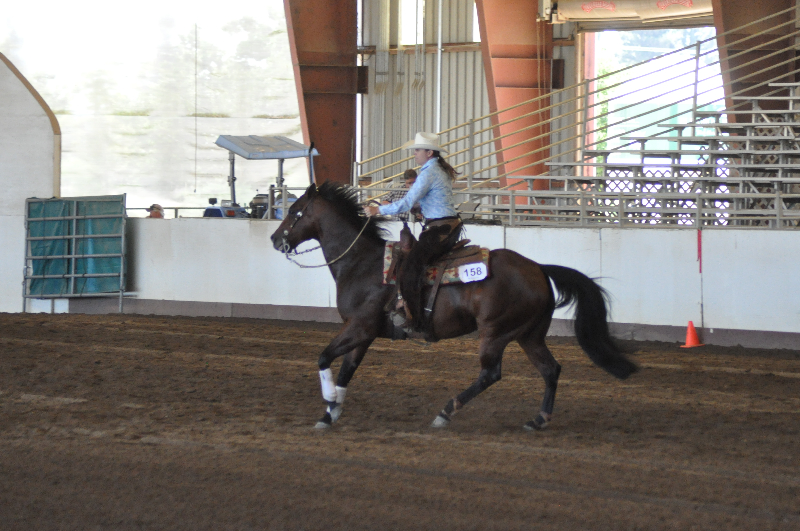
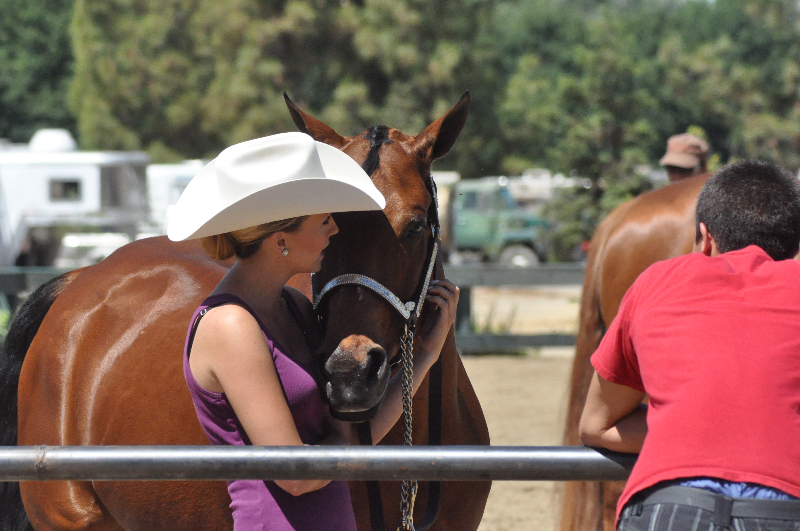
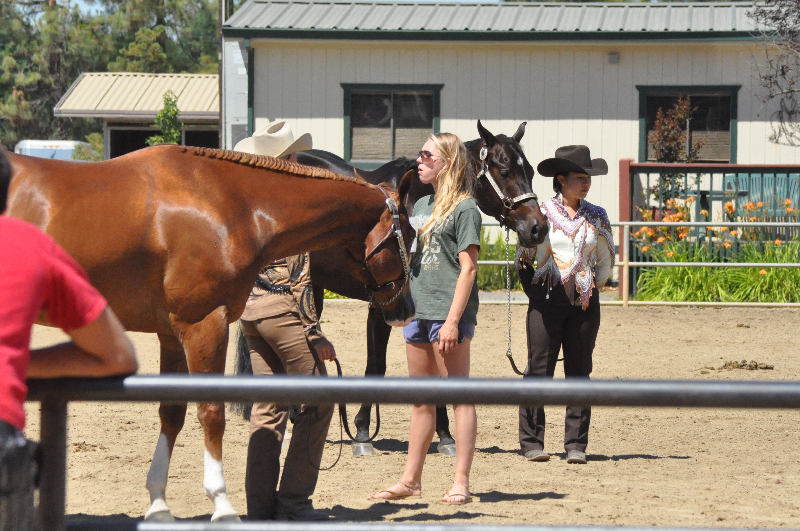
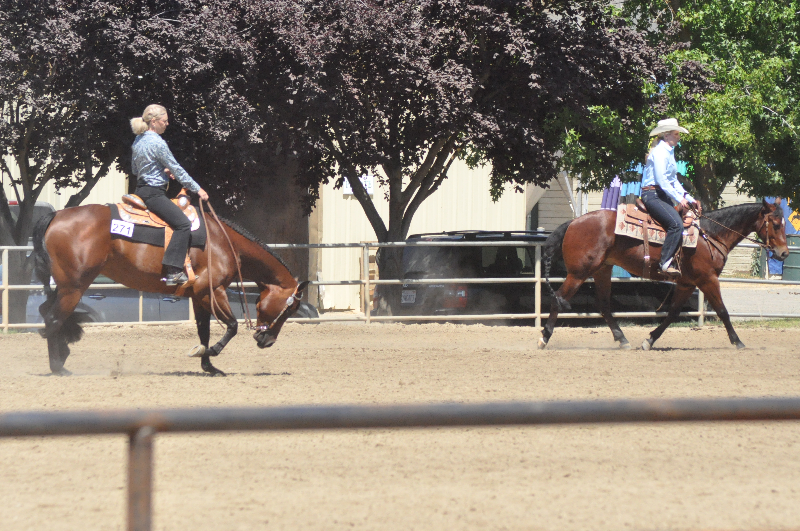
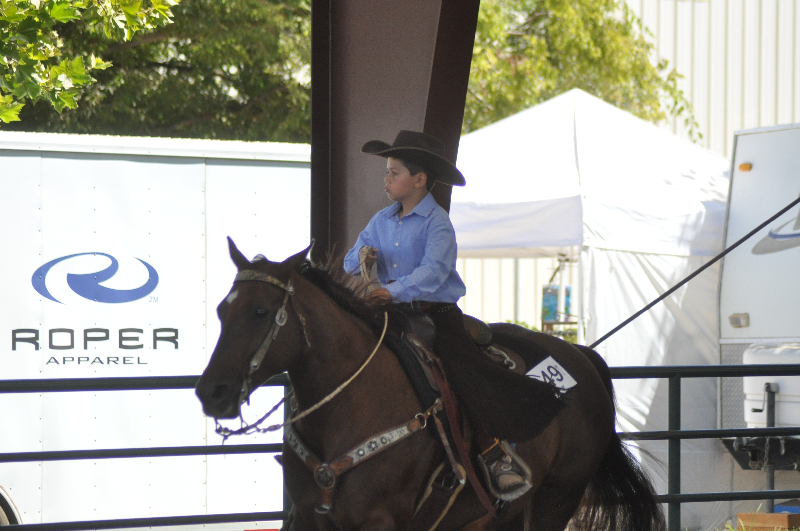
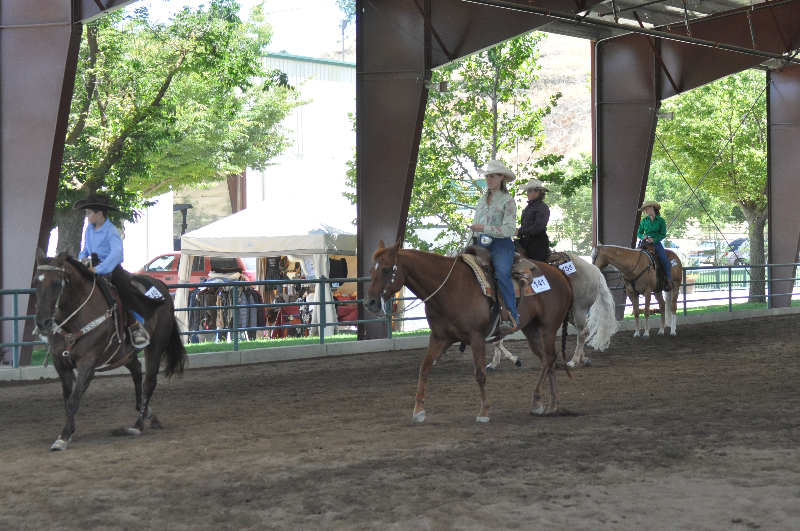
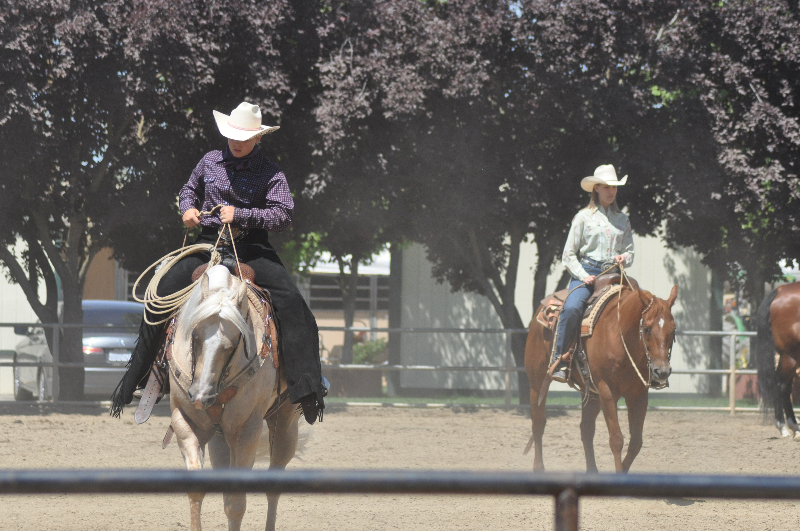
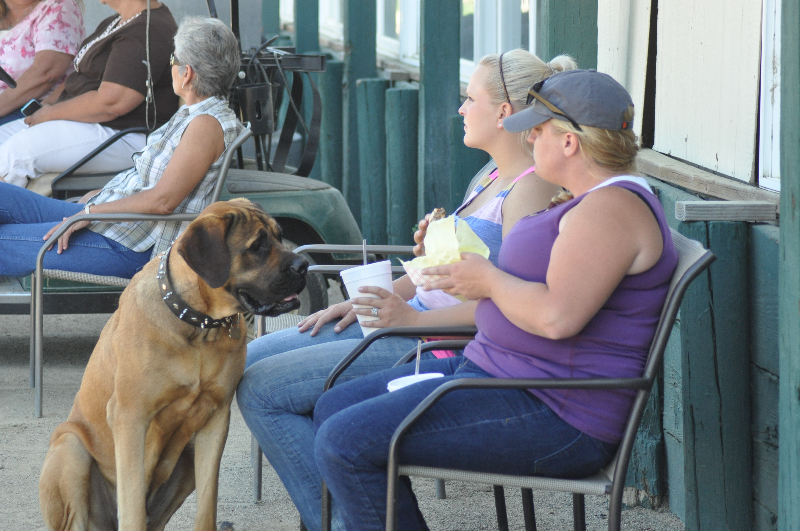
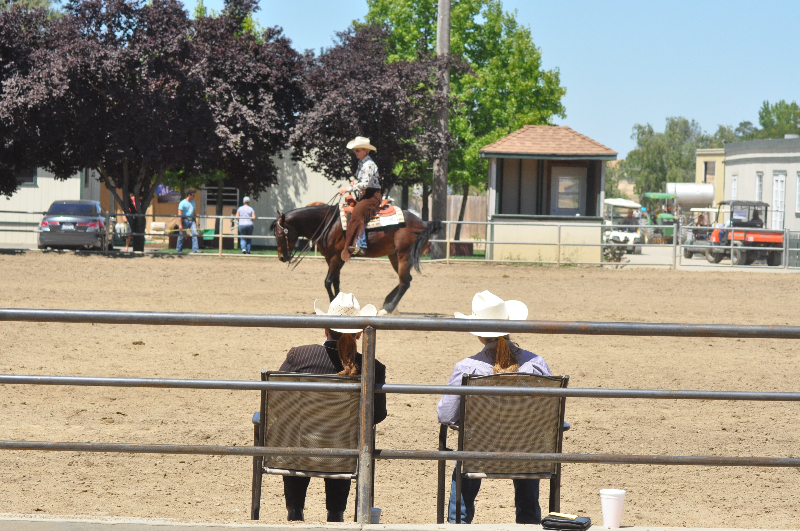
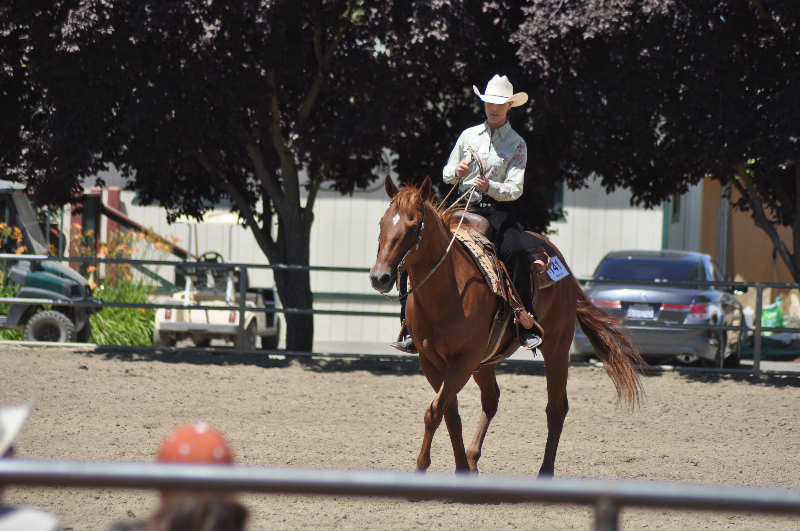
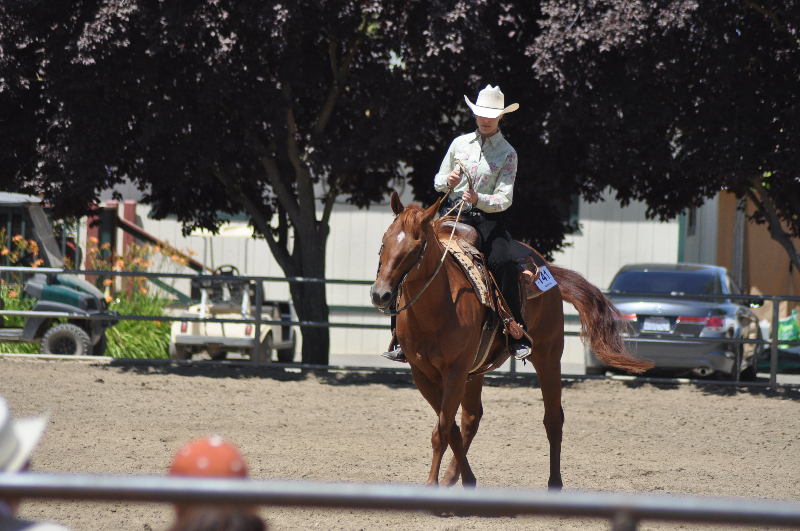
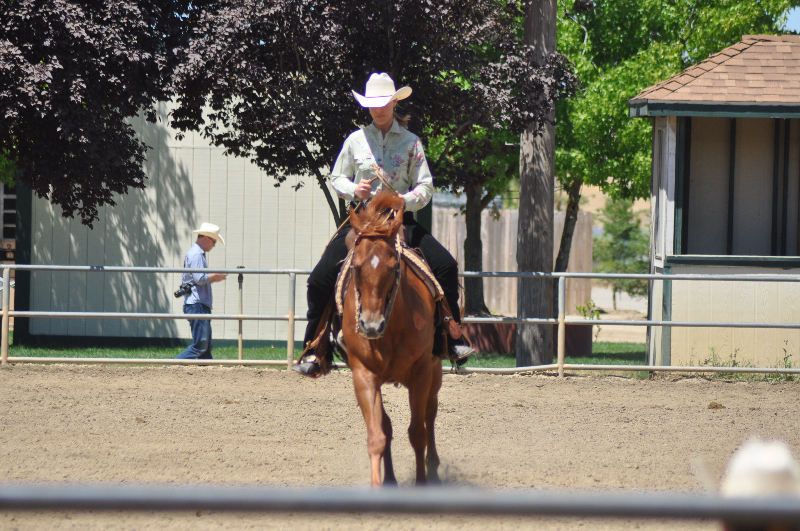
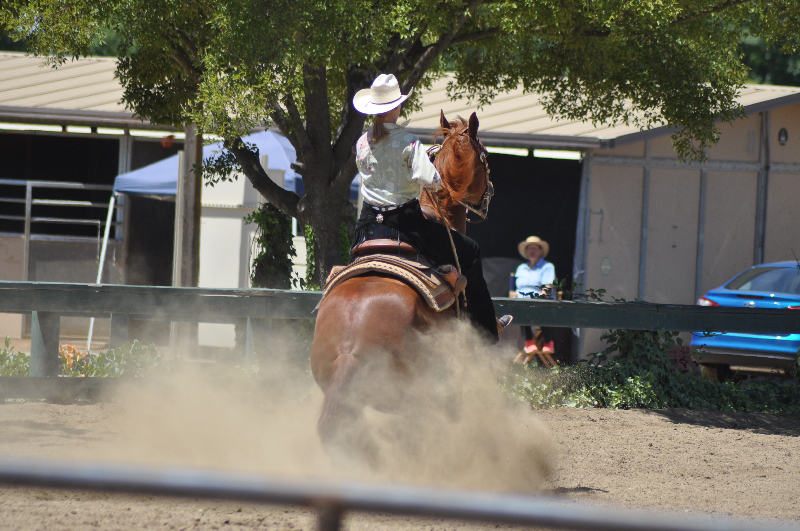
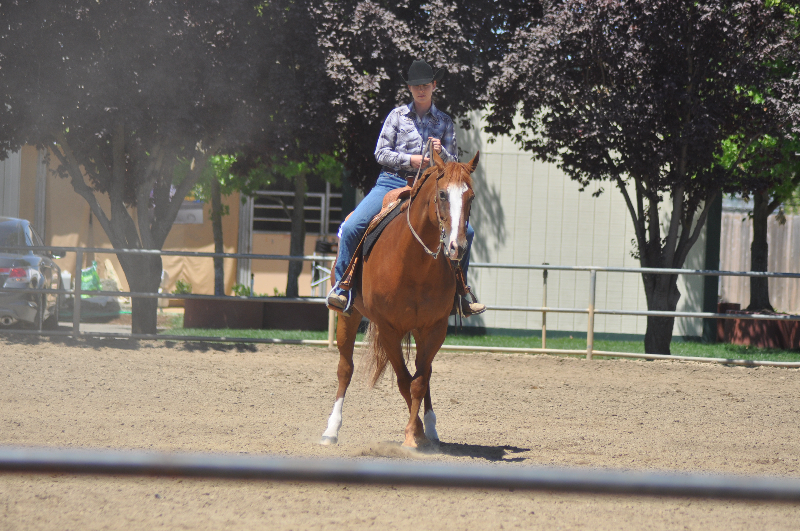
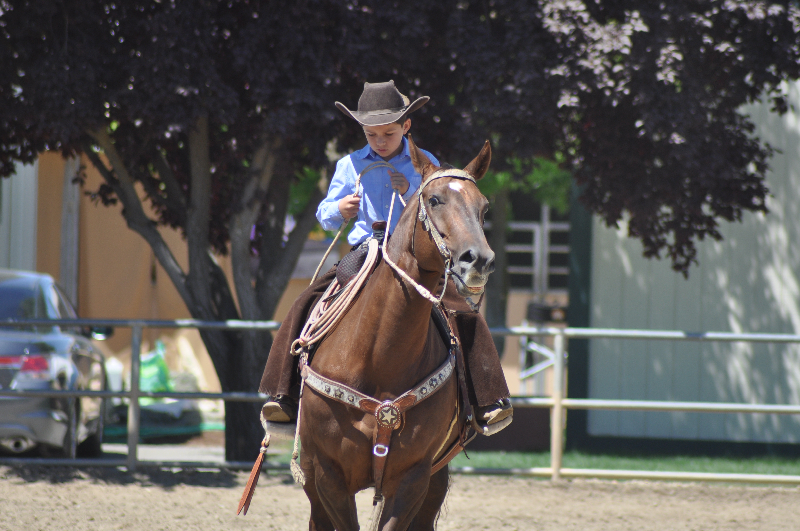
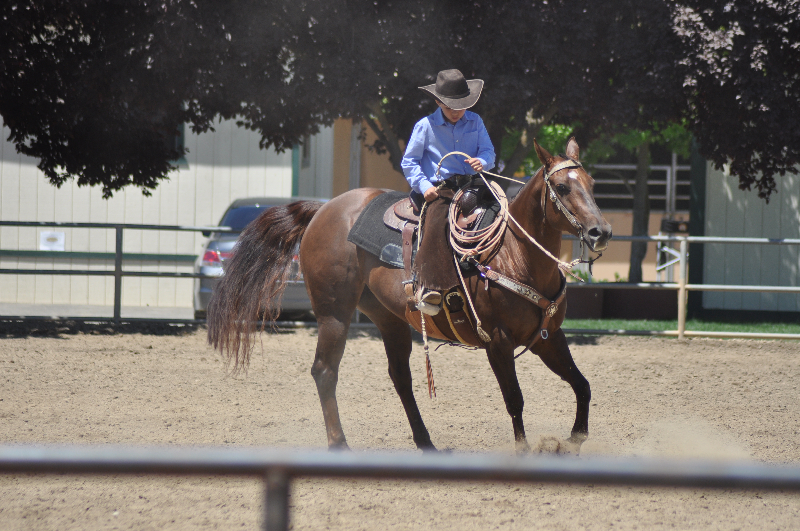
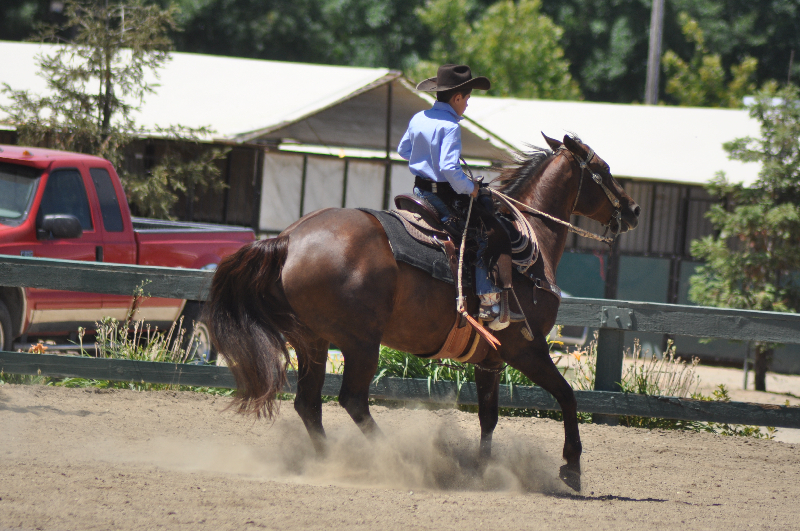
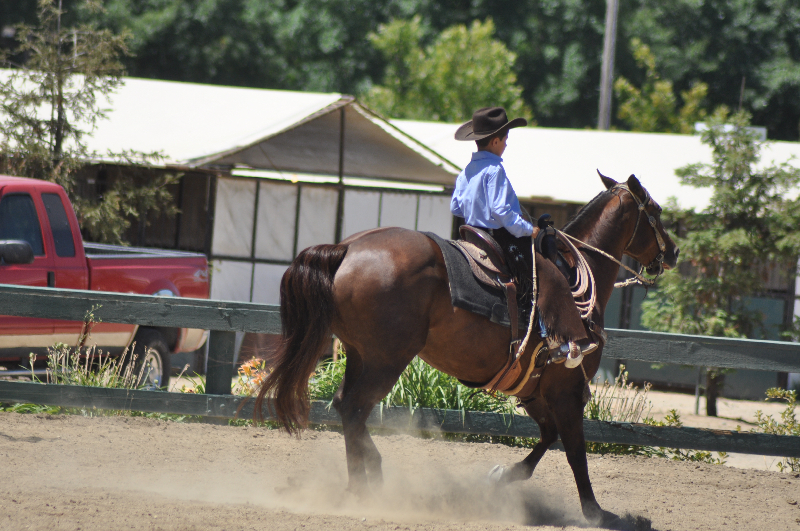
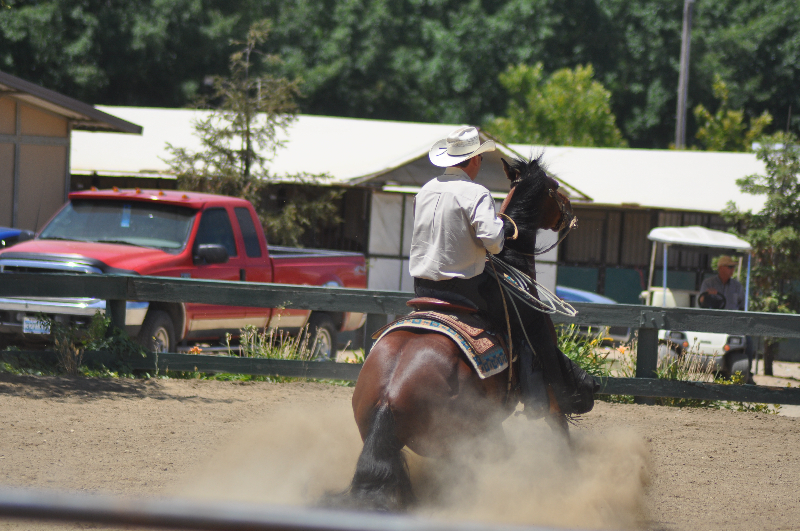
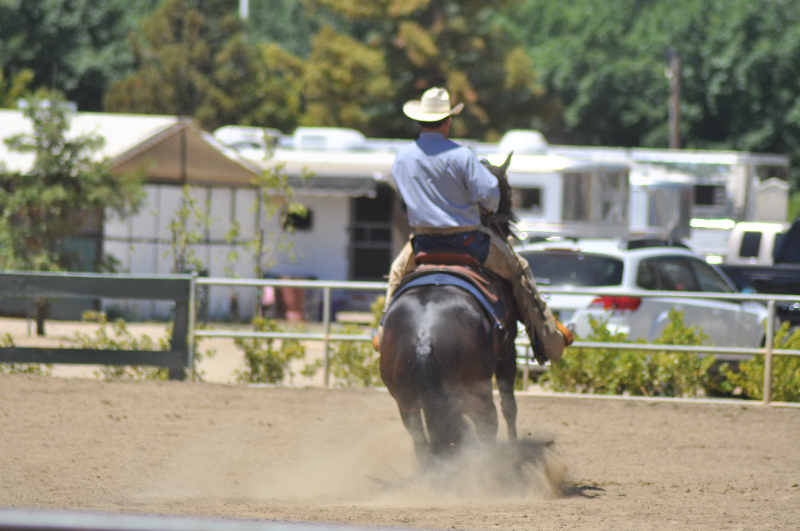
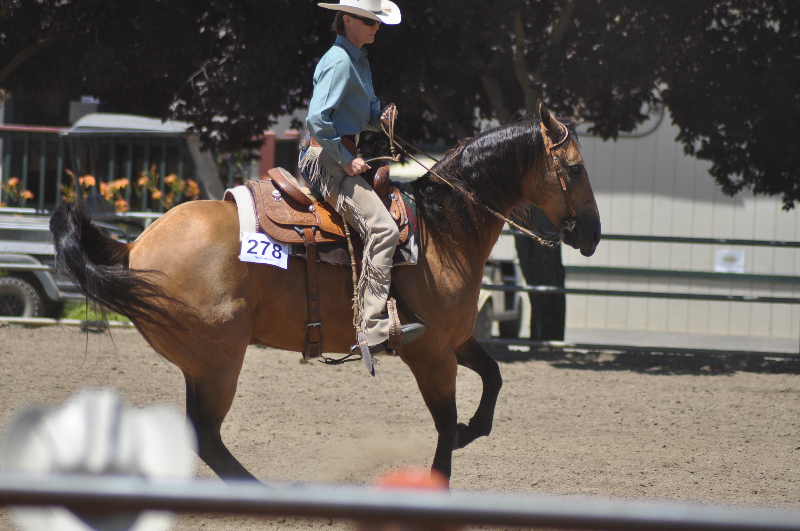
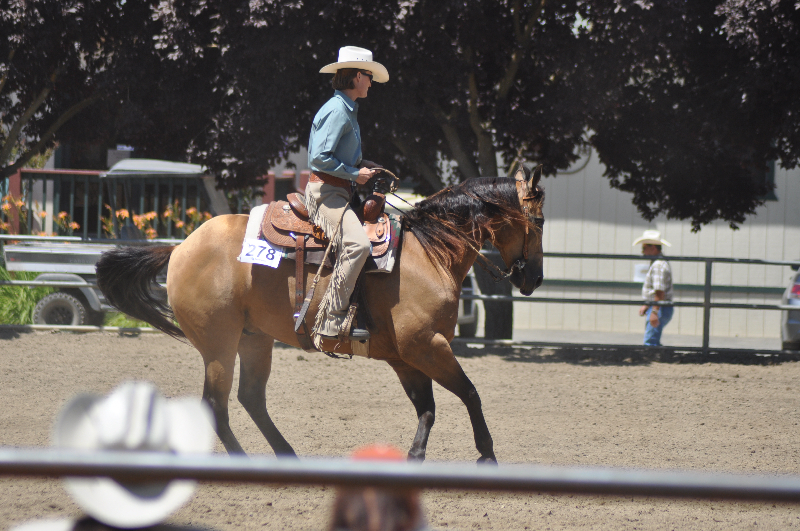
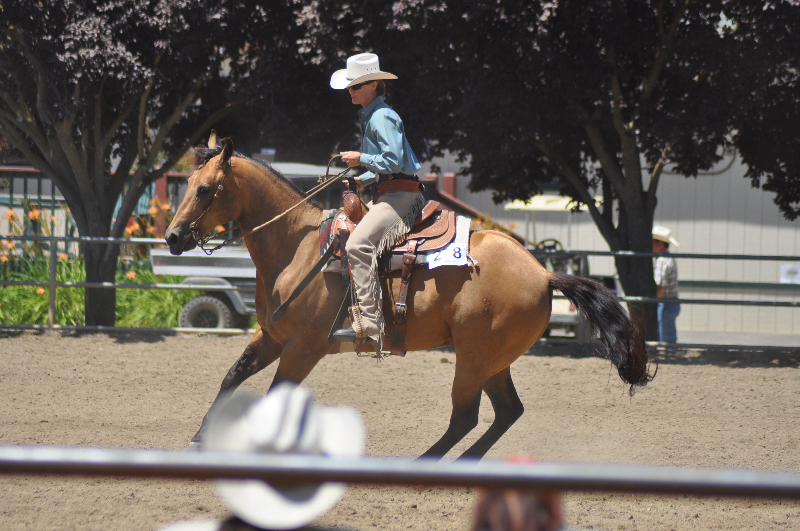
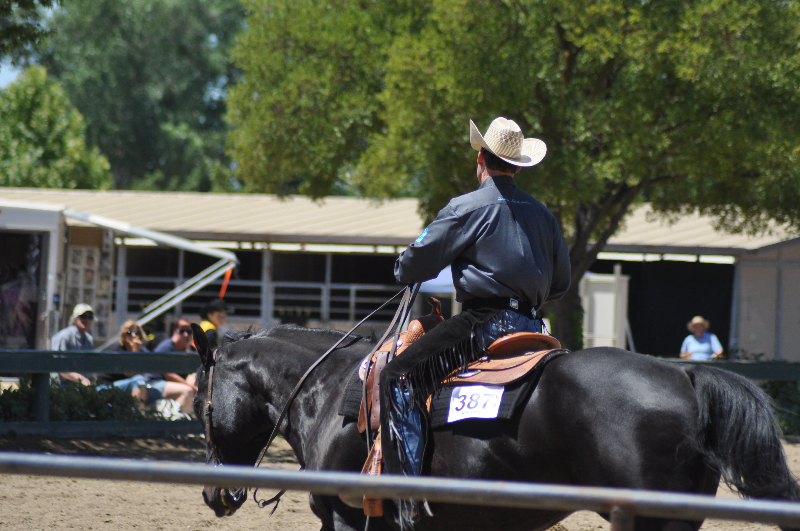
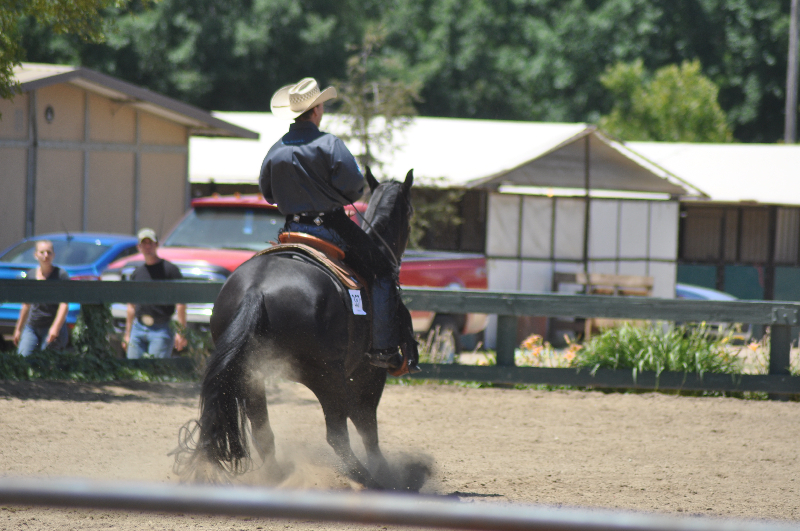
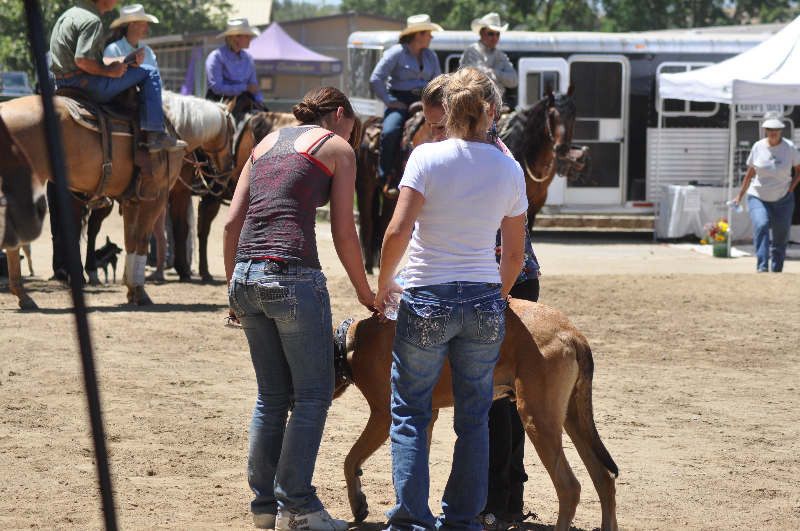
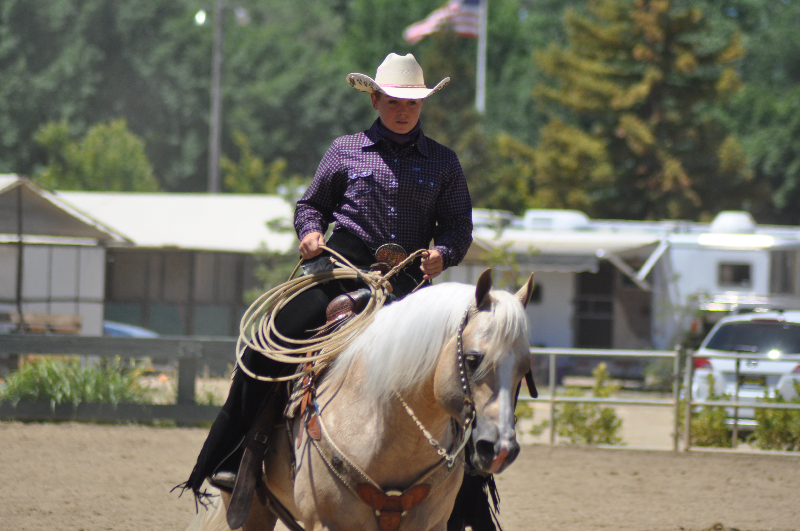
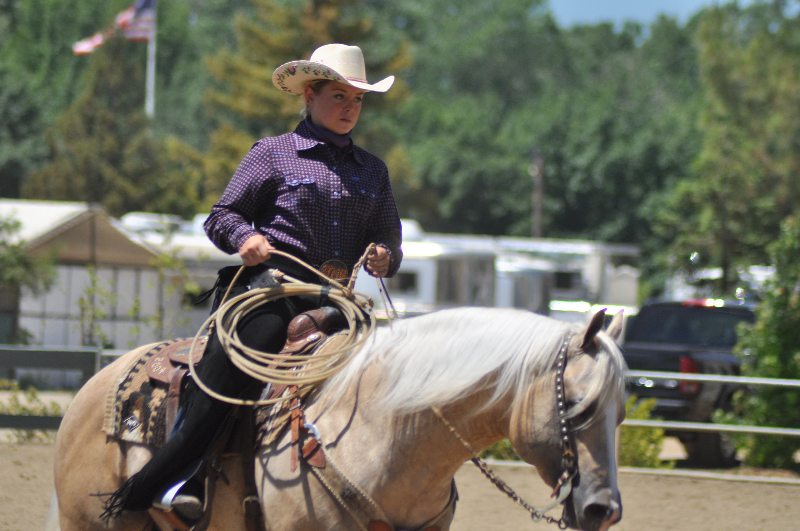
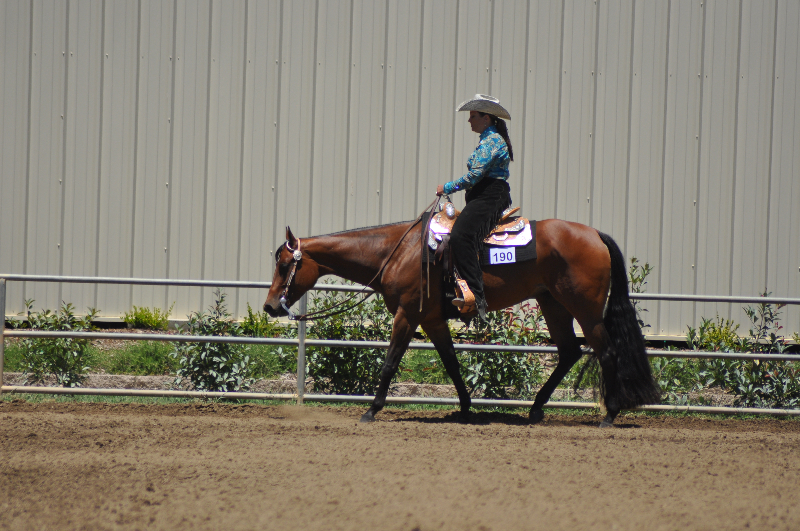
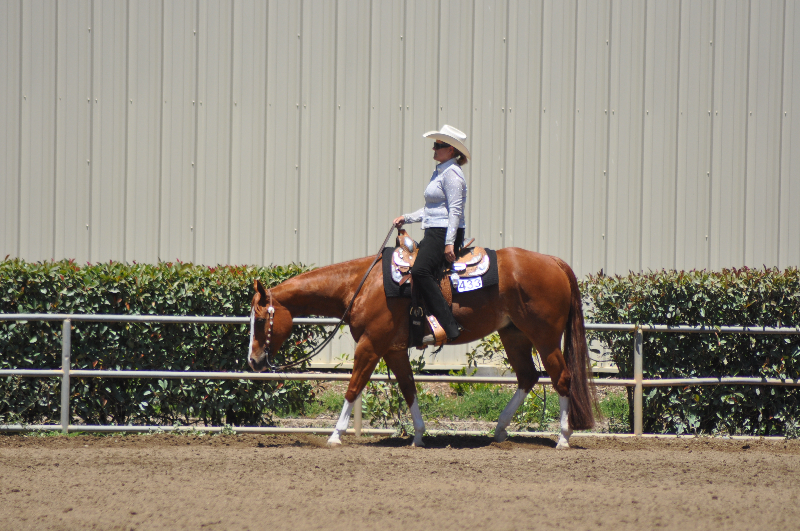
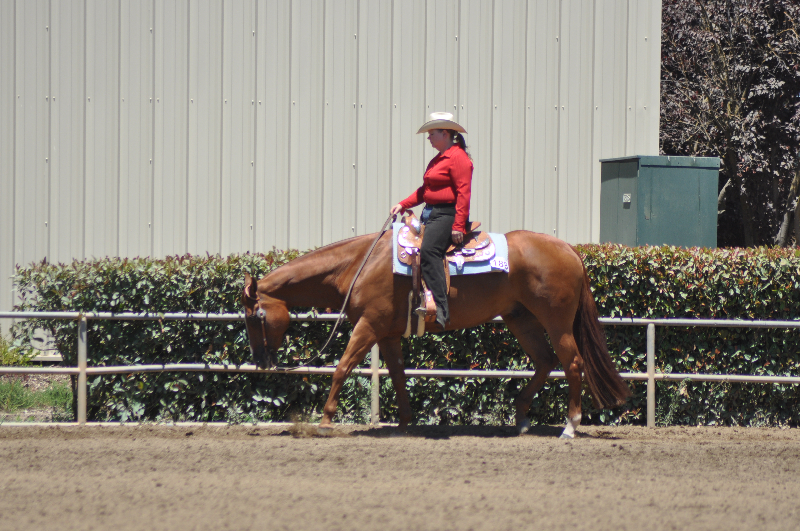
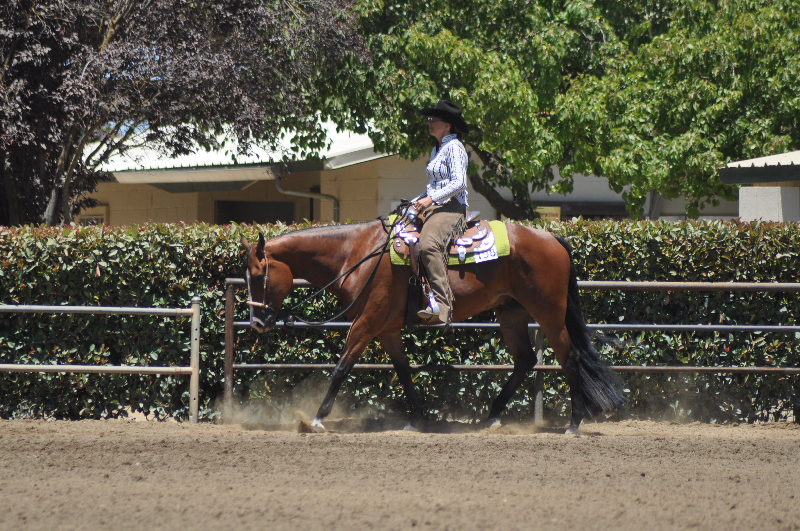
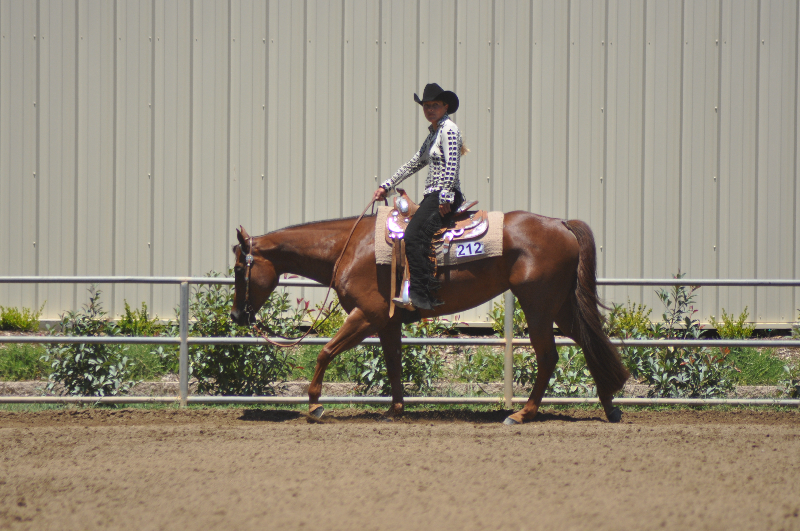
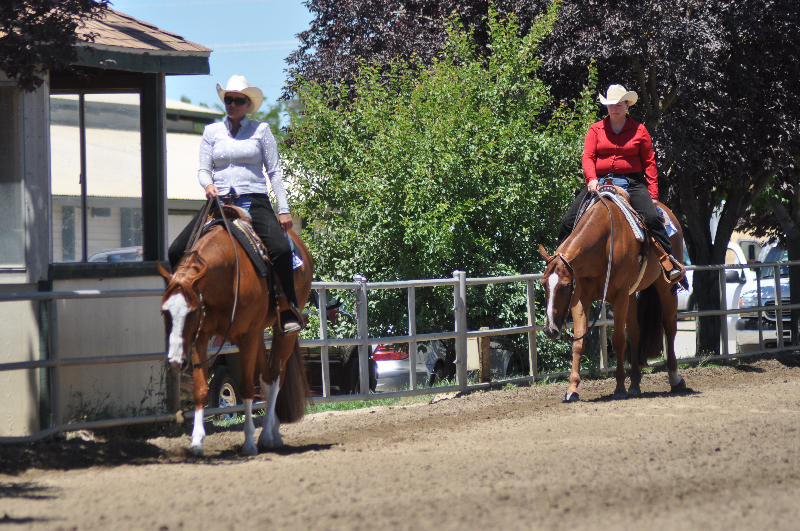
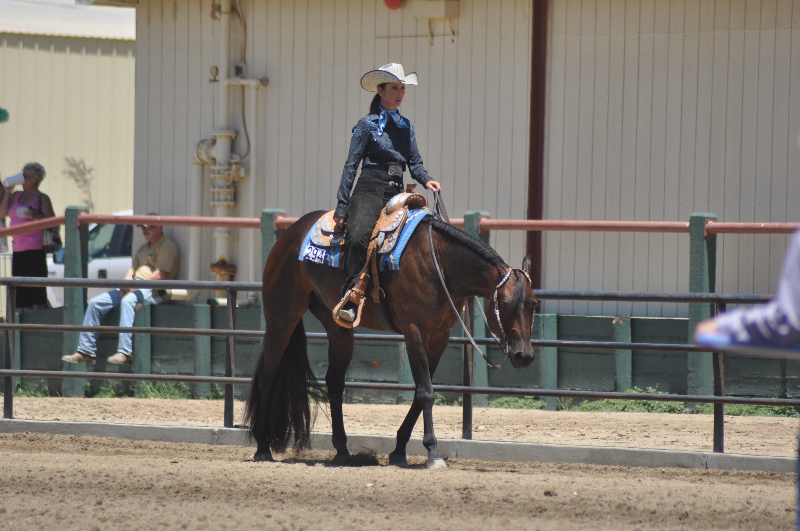
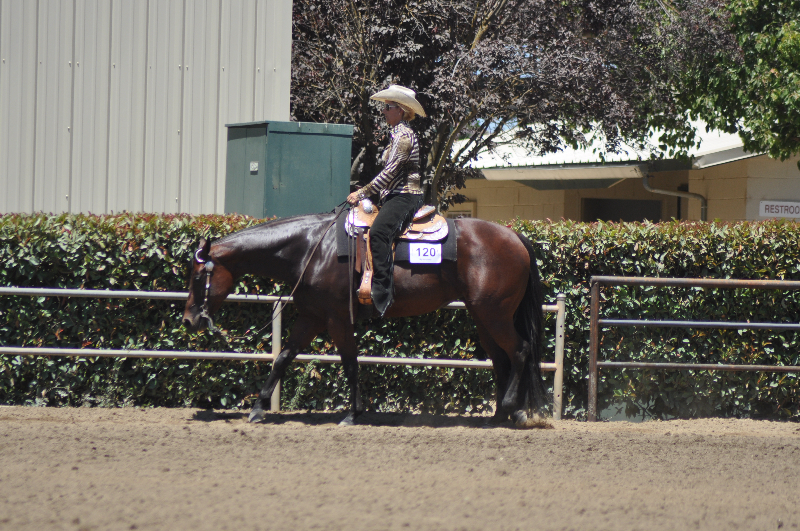
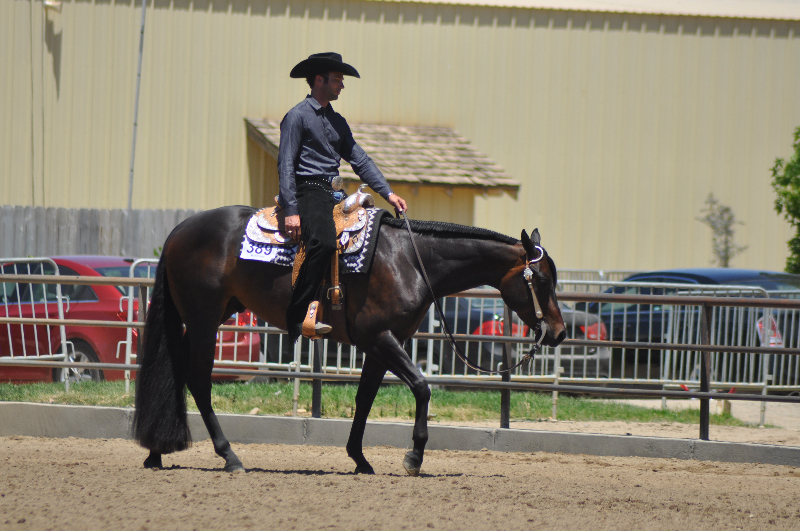
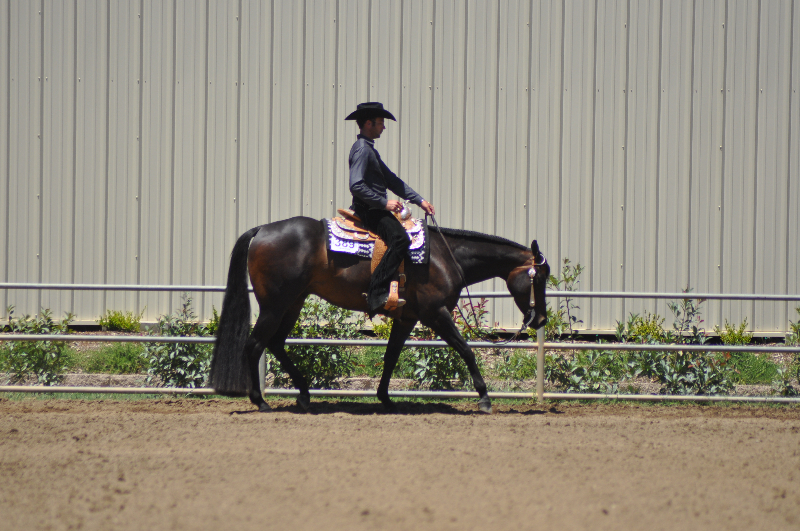
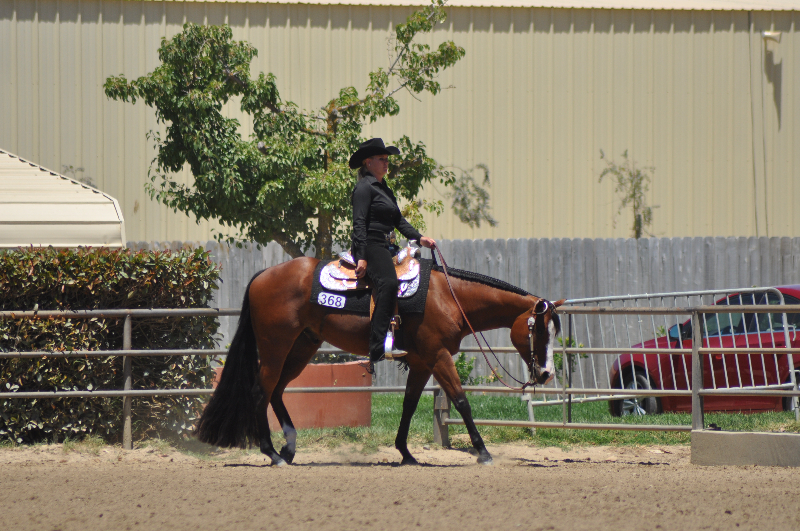
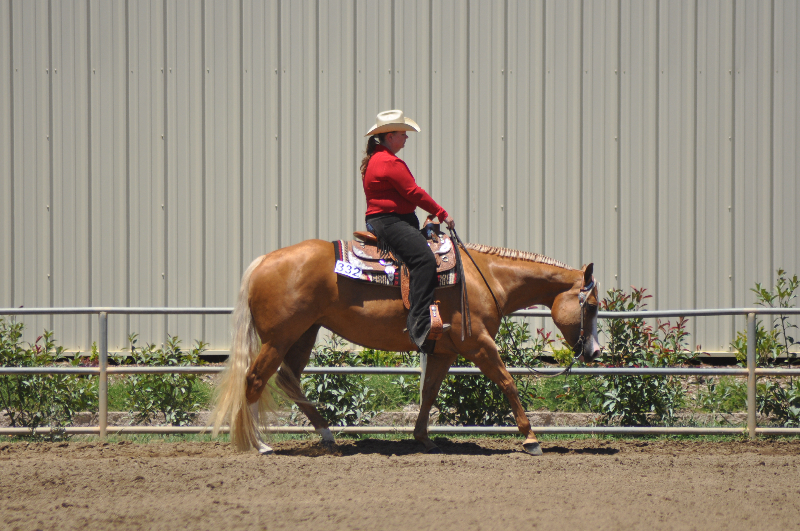
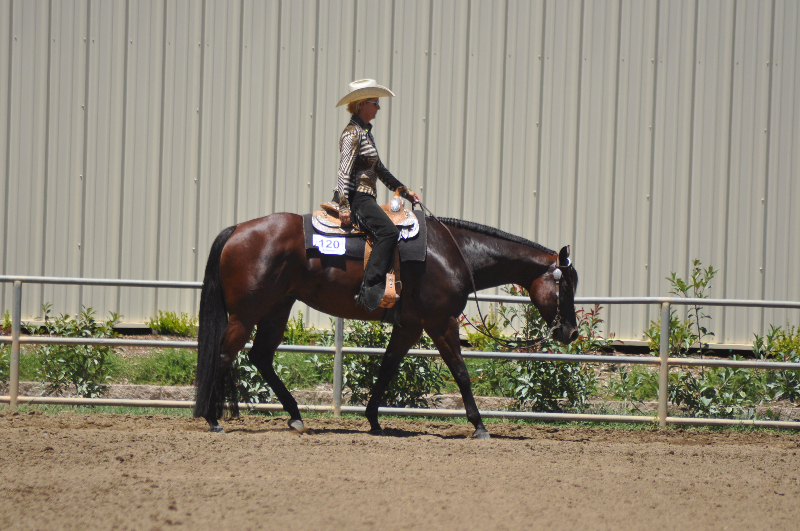
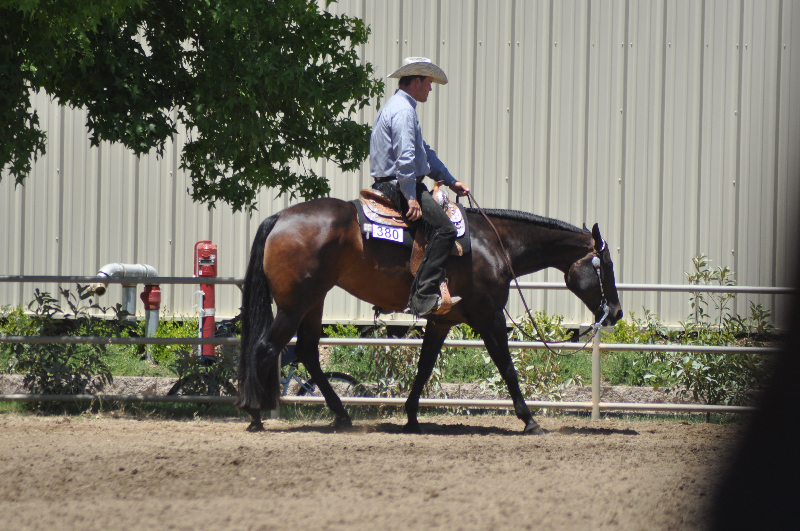
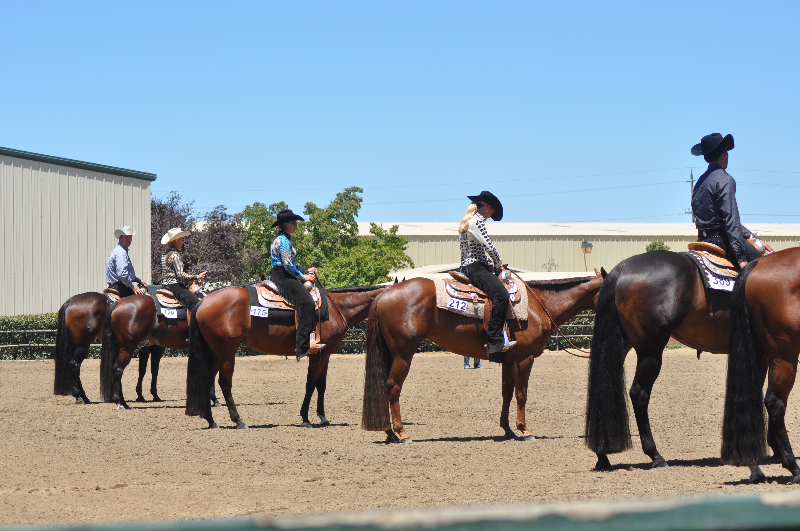
Check out some pictures from around the show at Rancho Murieta. A few from the new class Ranch Horse Pleasure and some from Western Pleasure classes.












Happenings of the Sacramento Horse Community
Check out some pictures from around the show at Rancho Murieta. A few from the new class Ranch Horse Pleasure and some from Western Pleasure classes.

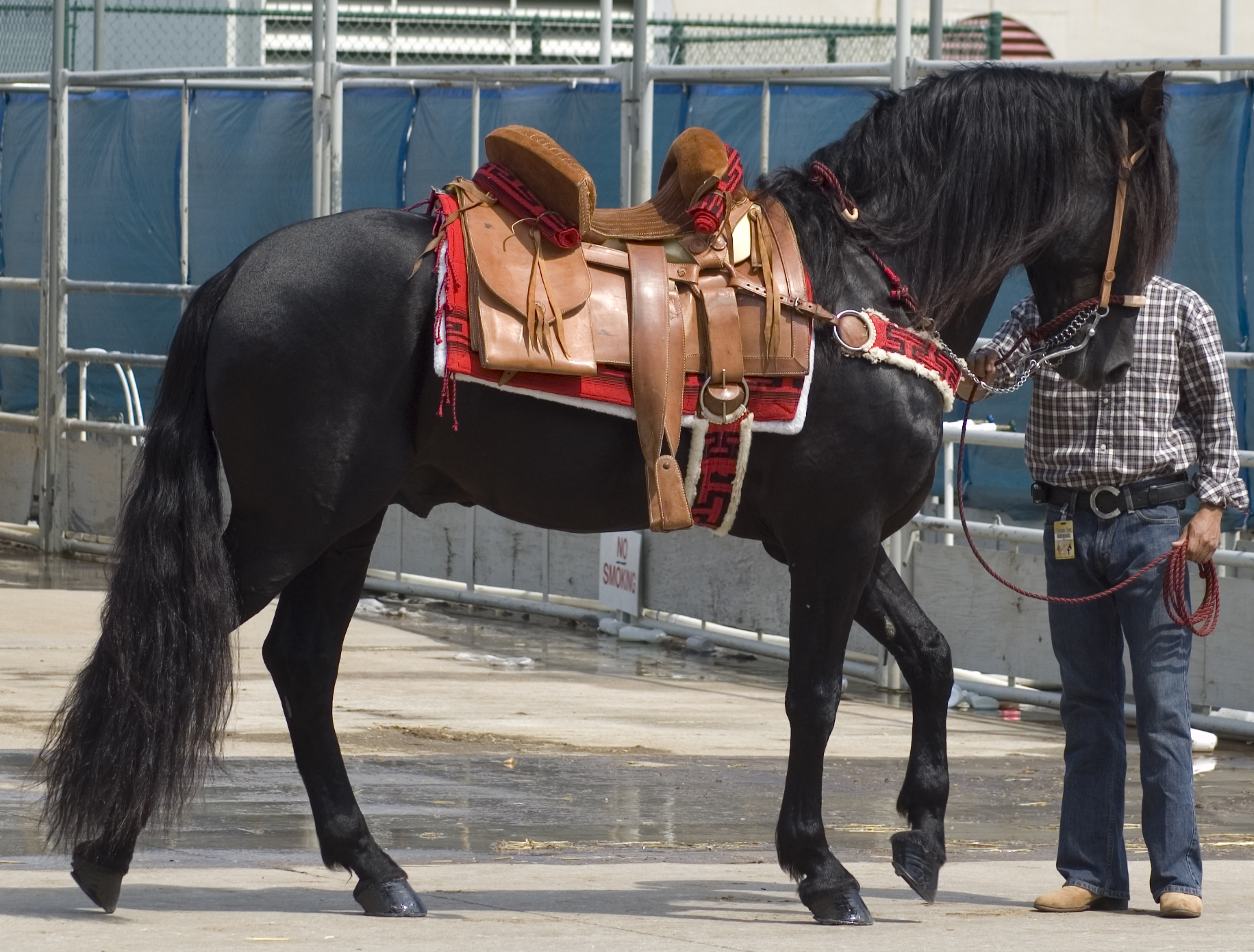

The above horses are in order from left to right: a Lusitano, an Azteca and an Andalusian. Each shown in their native country tack.
Don Antonio imported Spanish Andalusian horses and began to breed them at Rancho San Antonio near Texcoco in the state of Mexico. Selection for the Azteca breed began by the crossing of these Spanish Andalusian stallions with Quarter Horse mares or alternatively the crossing of Andalusians with mares of mixed Criollo blood. The Azteca may have a minimum of 3/8 to a maximum of 5/8 Andalusian or Quarter Horse blood, while the percentage of Criollo may not exceed 1/4. The breed aims at blending the qualities of the Andalusian and Quarter Horse. The result is an elegant animal, ideal for performance or pleasure riding.
One of the most important characteristics related to conformation of the Azteca is the height of the horse. At an adult age the height of the Azteca should be 14.1 to 15.2 hands in the female and 14.2 to 15.3 hands in the males. This height was established in consideration of the Azteca’s intended use in Charreria.
The coat is silky and all colors are permissible but paints, appaloosa and albino are not accepted in the breed.
(SacHorse in: There are no albino horses. Albinos are characterized by red eyes, and is not possible in horses)
More here from State of Oklahoma Horse Breeds
The Andalusian horse has been highly regarded since the Middle Ages. Also the Andalusian, has officially been known as the Purebred Spanish Horse, reigned for several centuries throughout the known world as the embodiment of perfection in horseflesh. The Andalusian is represented by the names Iberian Saddle Horse, Iberian War Horse, Jennet, Ginete, Lusitano, Alter Real, Carthusian, Spanish Horse, Portuguese, Peninsular, Castilian, Extremeno, Villanos, Zapata, and Zamaranos.
The Andalusian has a distinguished appearance, usually appearing in the colors white and light gray, and occasionally bay. It is a compact horse with excellent proportions, and usually stands at 15.2 hands. The mane and tail are abundant. It has a flat or slightly convex nose, small ears, and its head is set on a substantial neck. The chest is quite massive and the quarters are lean. The legs are clean and the action is quite energetic. The Andalusian is renowned for its ability to learn and its superb temperament.
More here from State of Oklahoma Horse Breeds
The Lusitano is found in Portugal. These horses are very similar in conformation to the Andalusian horses of Spain. The two breed are thought to have originated from a common source but selection in the Lusitano has resulted in a more convex profile reminiscent of the old Andalusian or Iberian horse whereas the Andalusian as developed a more Oriental head shape.
Since setting up their own Stud Book, the Portuguese have been able to make great strides in monitoring and improving the breeding program. Having been sought after over the centuries as a war horse, the same genetic abilities enable the Lusitano to be the perfect horse for mounted bullfighting in Portugal. In Portugal the bulls are not killed in the bullring so the horse must be very agile and still remain calm.
Lusitano horses are generally between 15.1 – 15.3 h.h but there are some that make over 16 h.h. Often gray or bay, they may be any true color, including dun and chestnut.
More here from State of Oklahoma Horse Breeds
You must be logged in to post a comment.